13.04.2026


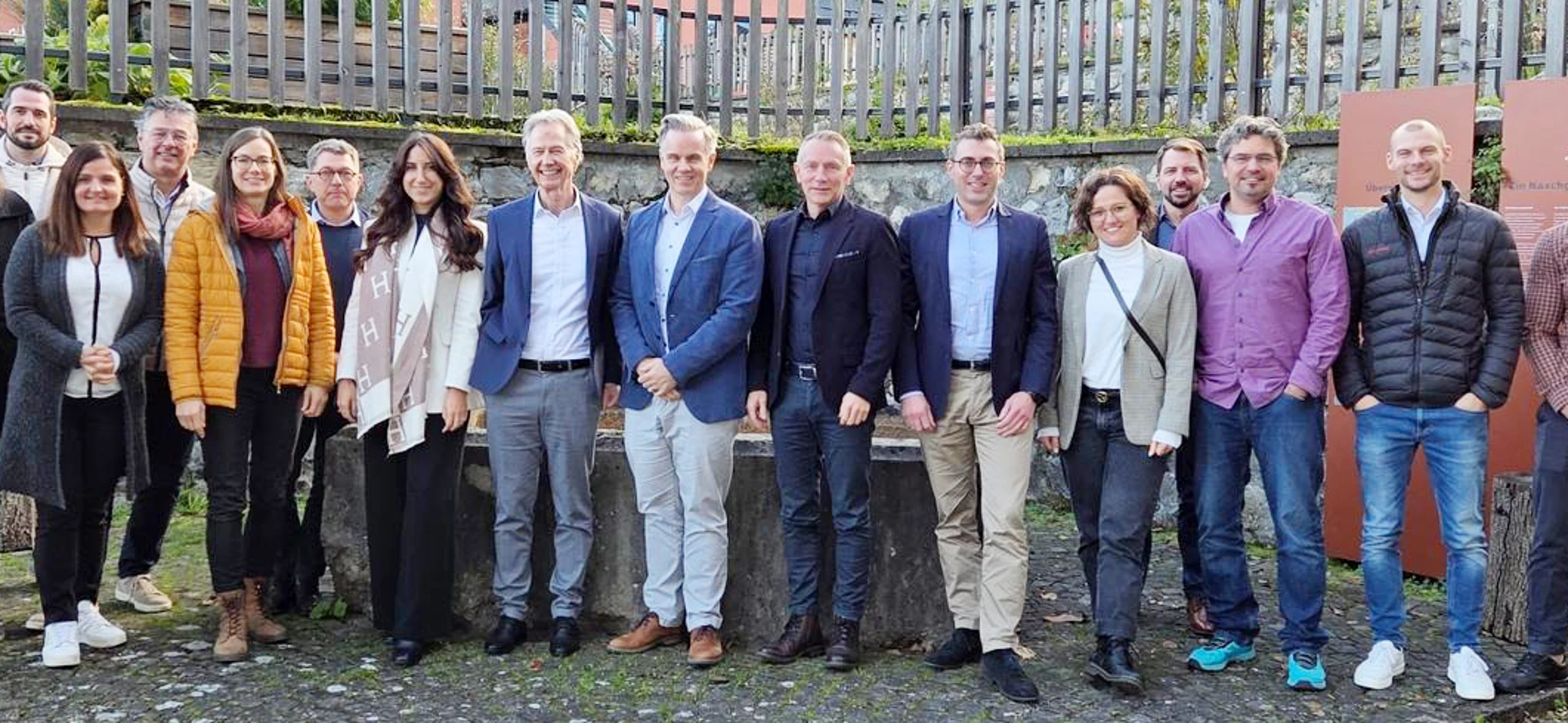
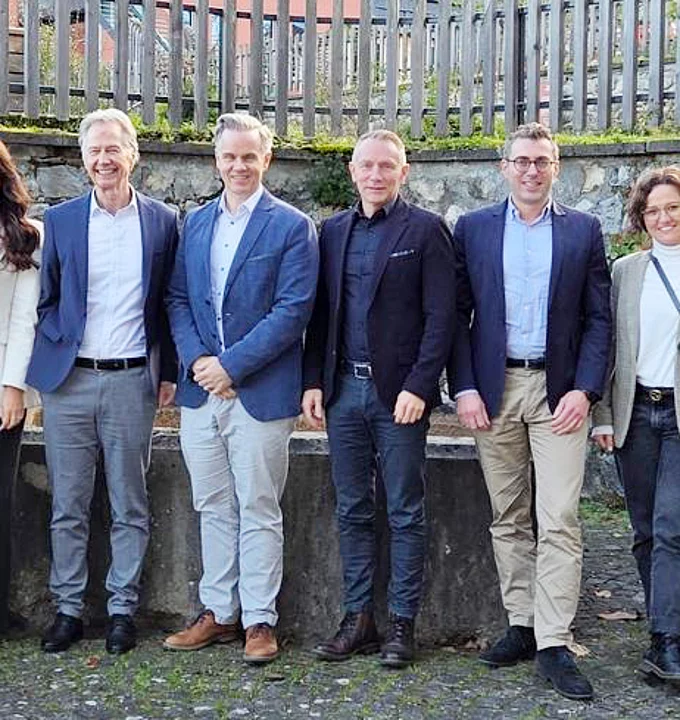
Between October 2025 and February 2026, our Executive Board and selected members of management took part in an intensive further development phase as part of the Executive Excellence programme. At the same time, other members of our management team deepened their understanding of effective operational management in the Operational Excellence programme from October 2025 to January 2026. Both Swiss Excellence Forum courses pursued the same goal: to strengthen the performance of our organisation, shape change in a targeted manner and consistently focus on customer benefit.
Executive Excellence: leadership with impact and foresight
The Executive Excellence programme focused on developing a meaningful and impact-oriented leadership culture. Exemplary leadership does not begin with methods, but with inner attitudes - for example, in consciously taking responsibility and giving clear meaning to one's own actions. The internationally recognised EFQM model served as a central foundation. The course participants were shown in detail how strategy, culture, processes and results are interlinked and how managers can organise their areas of responsibility along these impact chains.
Particular attention was paid to the continuous transfer of practical experience. In each thematic block, the participants actively explored how the concepts developed could be applied to their own areas of responsibility. This transfer not only ensured a deeper understanding, but also ensured that findings could be directly incorporated into day-to-day management.
As in the Executive programme, the Operational Excellence programme also included the preparation of an individual dissertation as part of the degree. In it, the participants explored an operational topic from their own area of responsibility, analysed challenges and developed concrete solutions. The theses impressively demonstrated how theoretical models and practical tools can contribute to improved processes, clearer structures and a visible increase in performance.

Consciously shaping strategy, culture and transformation
In addition to gaining a deeper understanding of purpose, vision and strategy, the participants focussed intensively on ecosystems and stakeholders in order to align business models in a resilient yet flexible manner. The role of employees was an important topic: How is it possible to bring talent into the performance zone? What conditions promote innovation? And how does self-reflection contribute to one's own leadership development? In addition, modules on crisis management, continuous improvement, digital transformation and service excellence offered concrete approaches to increase the organisation's performance in the long term.
Operational excellence: anchoring excellence in daily activities
While the Executive Programme was dominated by the strategic perspective, Operational Excellence focused more on implementation in day-to-day business. The seven seminar days provided a holistic understanding of operational management work and made it clear how strongly a practised culture of excellence characterises day-to-day work. The participants focussed on how customer benefits are created, how processes can be made leaner and more efficient and how agile methods such as scrum or lean approaches lead to visible improvements.
Practical transfer was also a central element here. The participants developed their own solutions, tried out tools such as Kanban boards or value stream analyses and implemented them directly in their teams and work processes. This meant that operational excellence was not just discussed in theory, but could be experienced and implemented immediately.

Team leadership, customer proximity and measurable impact
The focus on employees was particularly important: How can teams be strengthened, how can goal-orientated collaboration be achieved and what role do internal customer and supplier relationships play in the company's own quality? Practical exercises made it clear how managers can actively shape operational excellence. The concluding discussions provided an opportunity to reflect on the solutions developed together with line managers and to transfer them to day-to-day business.
Further steps in the Excellence Programme to follow
Both programmes have shown that excellence is created above all through attitude, clarity and a strong common focus. The insights gained will help to strengthen our culture, improve our performance and offer our customers even greater added value. At the same time, development is not standing still: Further Operational Excellence courses are already being offered this year in order to involve additional managers and anchor the newly gained impetus even more broadly in the organisation. Step by step, a culture is being created in which excellence becomes a matter of course in day-to-day operations.