
10.07.2026


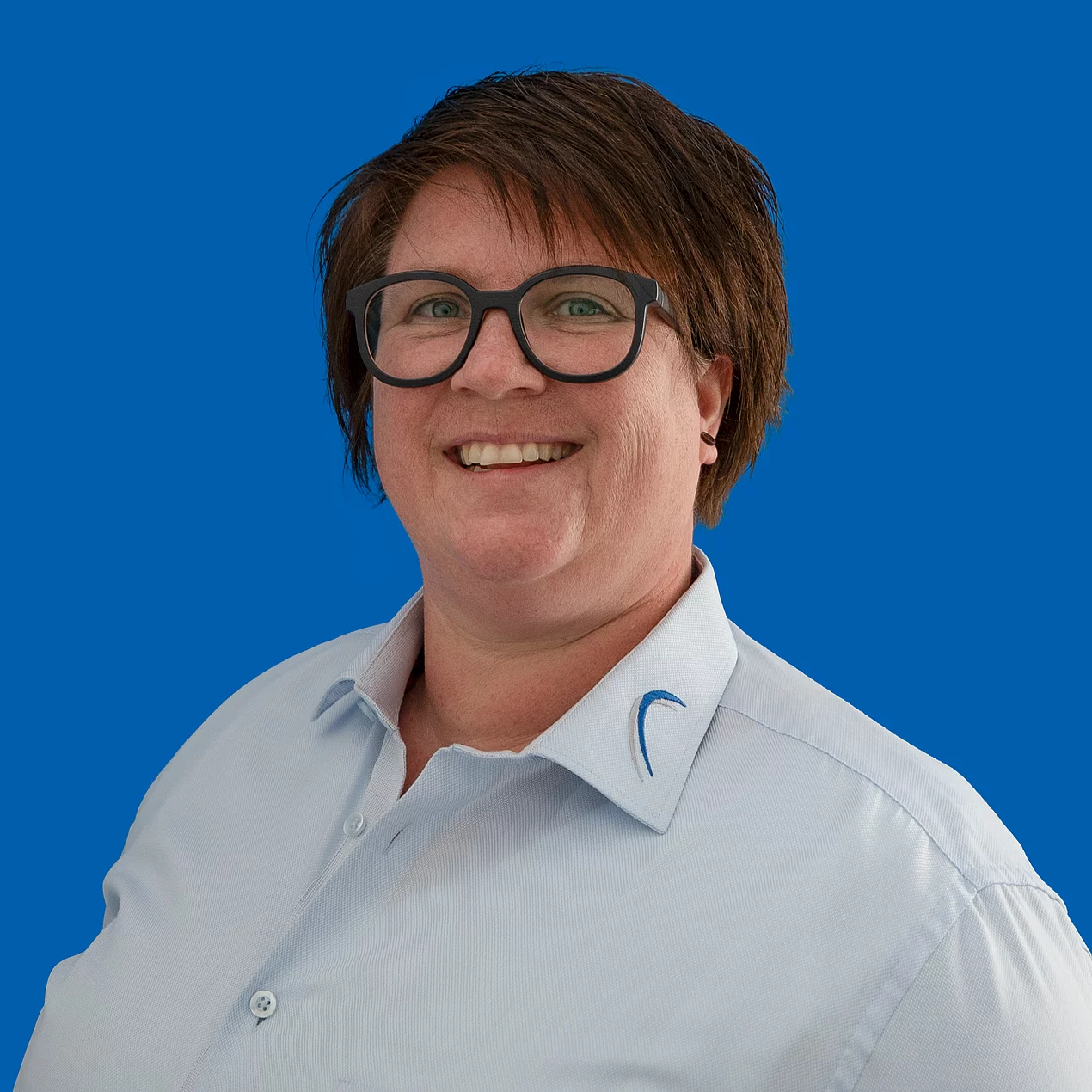
Company: Kuratle Group AG
Date joined the company: 1 October 2025
Role: Vocational Training Manager
Education and training: Qualified early years educator (now known as a childcare specialist), vocational trainer course, CAS in Leadership, specialist course, trainer with a federal certificate, DAS in Education Management from FHNW
Place of residence: Würenlingen (AG)
What exactly does your role as vocational training manager involve? How many apprentices are you currently supervising?
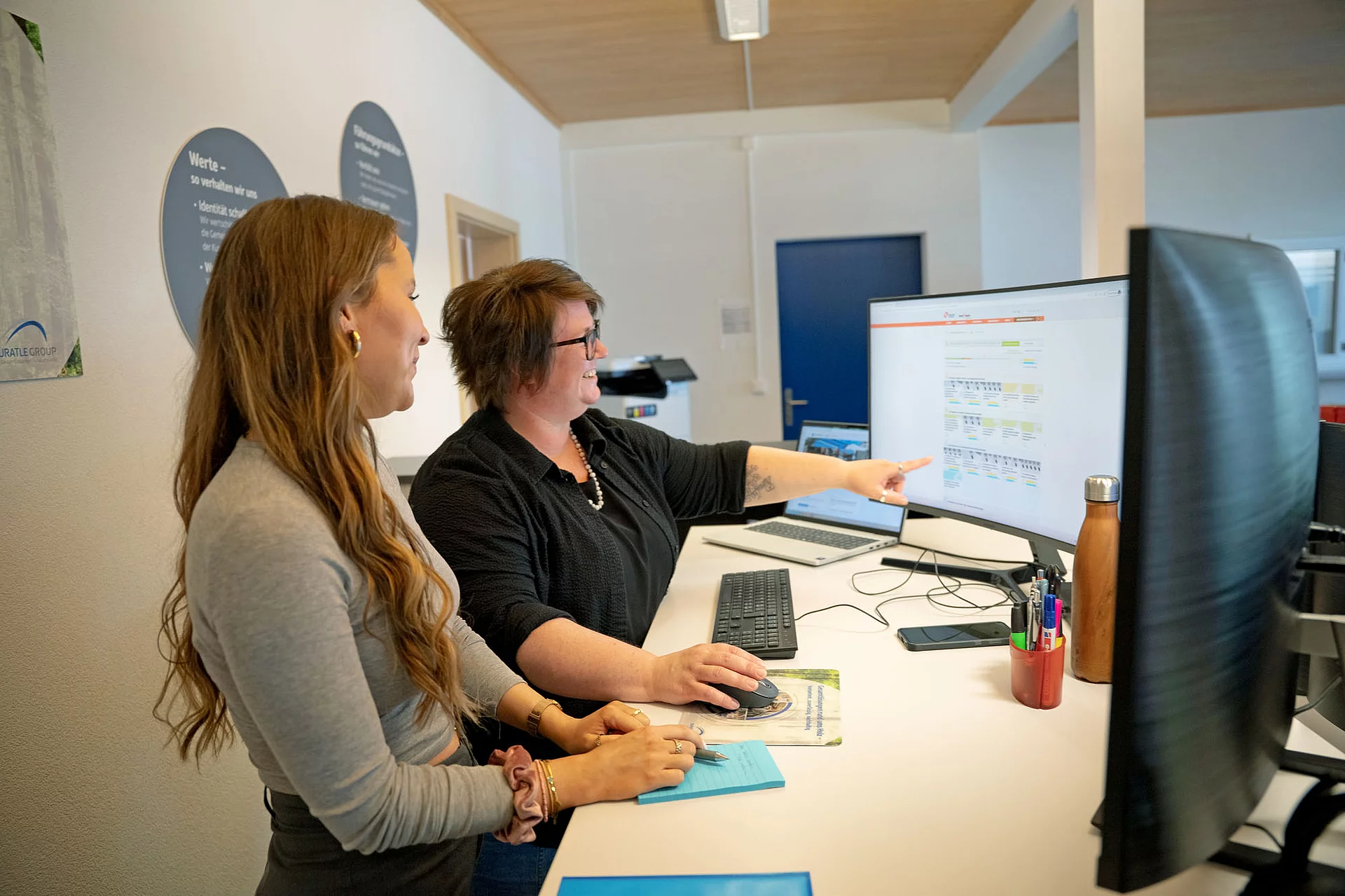
I work as a senior vocational training coordinator. This means that I coordinate, supervise and ensure the delivery of vocational training across the various trades, from the recruitment of apprentices right through to the completion of their apprenticeship. In doing so, I work closely with schools, local authorities and the apprentices’ parents.
In principle, all apprentices are supervised by vocational or practical trainers. In the commercial apprenticeship sector, I take on this role myself. A key part of my role is to support the apprentices, but also to provide guidance to the vocational and practical trainers. In addition, I initiate and oversee projects relating to vocational training. I am currently supervising 25 apprentices; this figure is expected to rise to 31 from the summer onwards.
What is the most important thing you have learnt when working with apprentices? What advice would you give to vocational and on-the-job trainers?
The most important thing is a solid foundation of trust. Apprentices need people who believe in them, place their trust in them and support them within the company. Just as important, in my view, are clear guidelines, setting boundaries and ensuring that apprentices are specifically prepared for the world of work.
When the relationship with the apprentices is positive, many things become much easier. My advice to vocational and on-the-job trainers: actively seek opportunities to exchange ideas with one another, speak openly about expectations and liaise regularly.
How do you ensure that apprentices receive the best possible support?
I make a conscious effort to maintain contact with vocational and on-the-job trainers, as well as with the apprentices. When support is needed, I intervene in a targeted and individualised manner.
For example, when preparing for the final exams, I work with the vocational trainers to identify what the apprentices need: I am currently supporting two apprentices in their exam preparations for the General Education module. For the commercial apprenticeship trainees, we have prepared a practice session at
to help them practise how to incorporate their knowledge into conversational situations. Other trainees were specifically observed during customer meetings so that the conversations could then be reviewed together. At the same time
, I’m constantly working on projects to further develop vocational training within the company.
Can you give an example of such projects?
I am currently working on familiarising apprentices more closely with our product range. To this end, placements in the sample warehouse are once again being planned for all apprentices for the new academic year.
I am also currently optimising the departmental rotation for commercial apprentices to make it even more structured and meaningful. The aim is, firstly, for the apprentices to gain a deeper insight and, secondly, for them to be able to take on (supervised) responsibility in day-to-day operations.
You’ve been involved in the carnival since you werea child and are now in charge of the painting work in the float-building team. What was your favourite project?
I’ve been actively involved in the Würenlingencarnival since I waslittle and , within ourfloat-building group, I’m part of the organising committeeresponsible for the painting section. We develop the colour scheme and design for our float and organise the materials. After that, we also help with the assembly. Every project has its own appeal, but I particularly like large, compact shapes – for example, a steam locomotive that we created once.
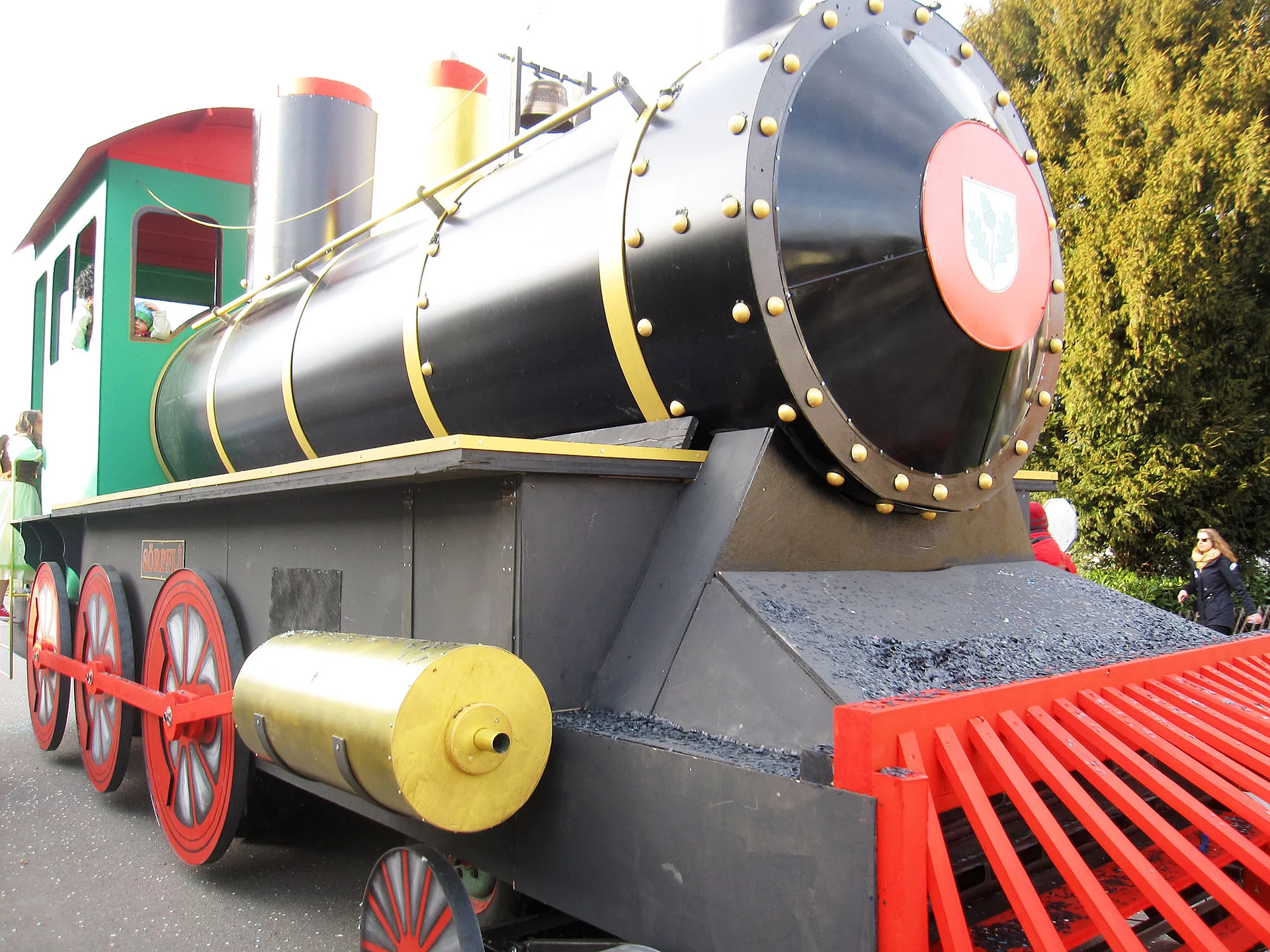
You’ve been involved with Jungwacht Blauring for many years. What stands out most in your memory from this work?
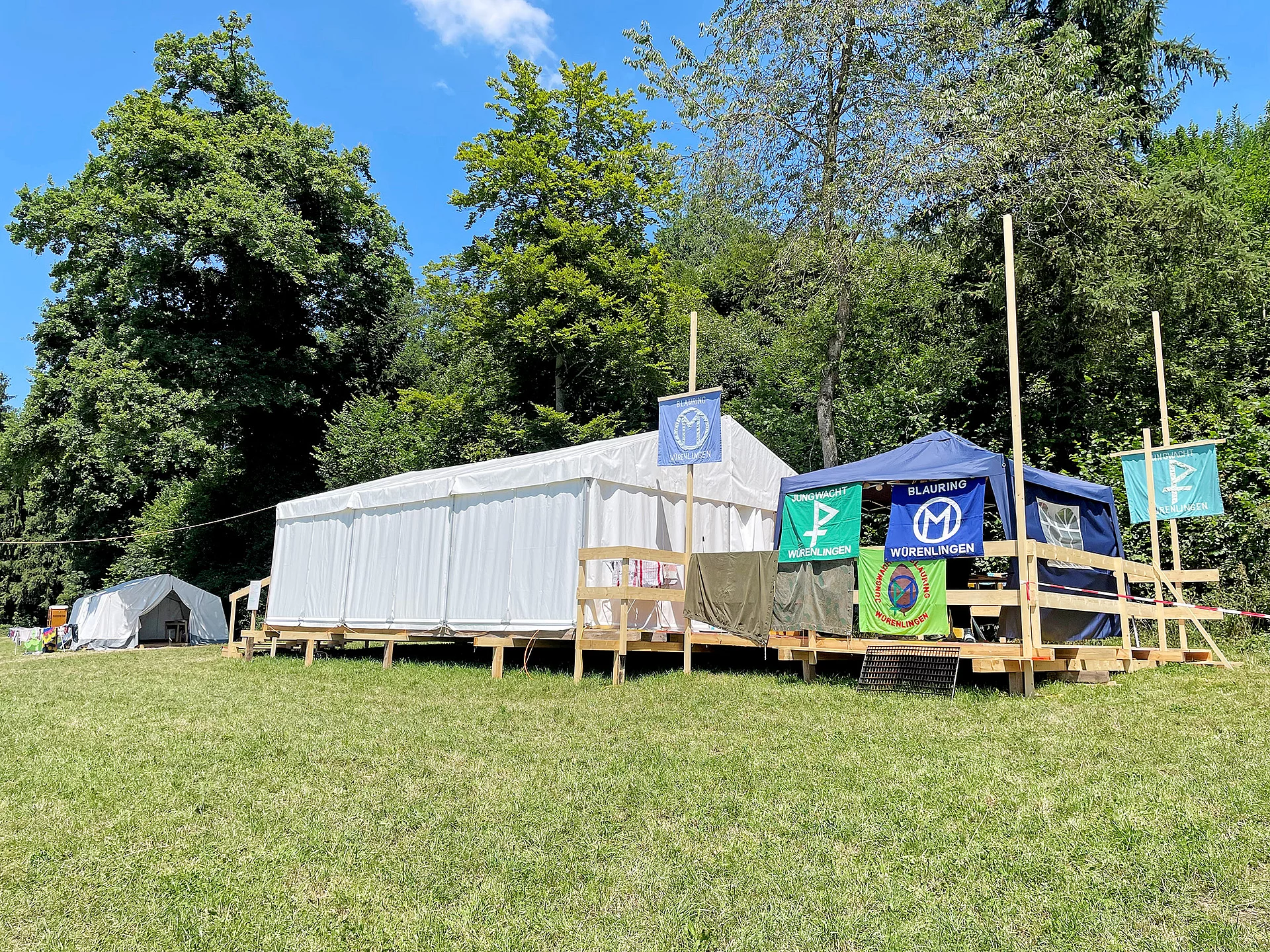
I’ve been involvedsince I was a child – first as a participant, later as a leader, and then on the regional management team. In the Zurzach region, I also led youth and sports courses. For around 15 years, I’ve also been working in the kitchen at the summer camps. There are countless wonderful memories from every stage. But it was the extreme experiences that left the deepest impression – for example, summer storms or violent thunderstorms. Experiences like that stay with you. And above all: friendships for life are formed.
You’re also involved in a wine-growing co-operative – tell us more about it.
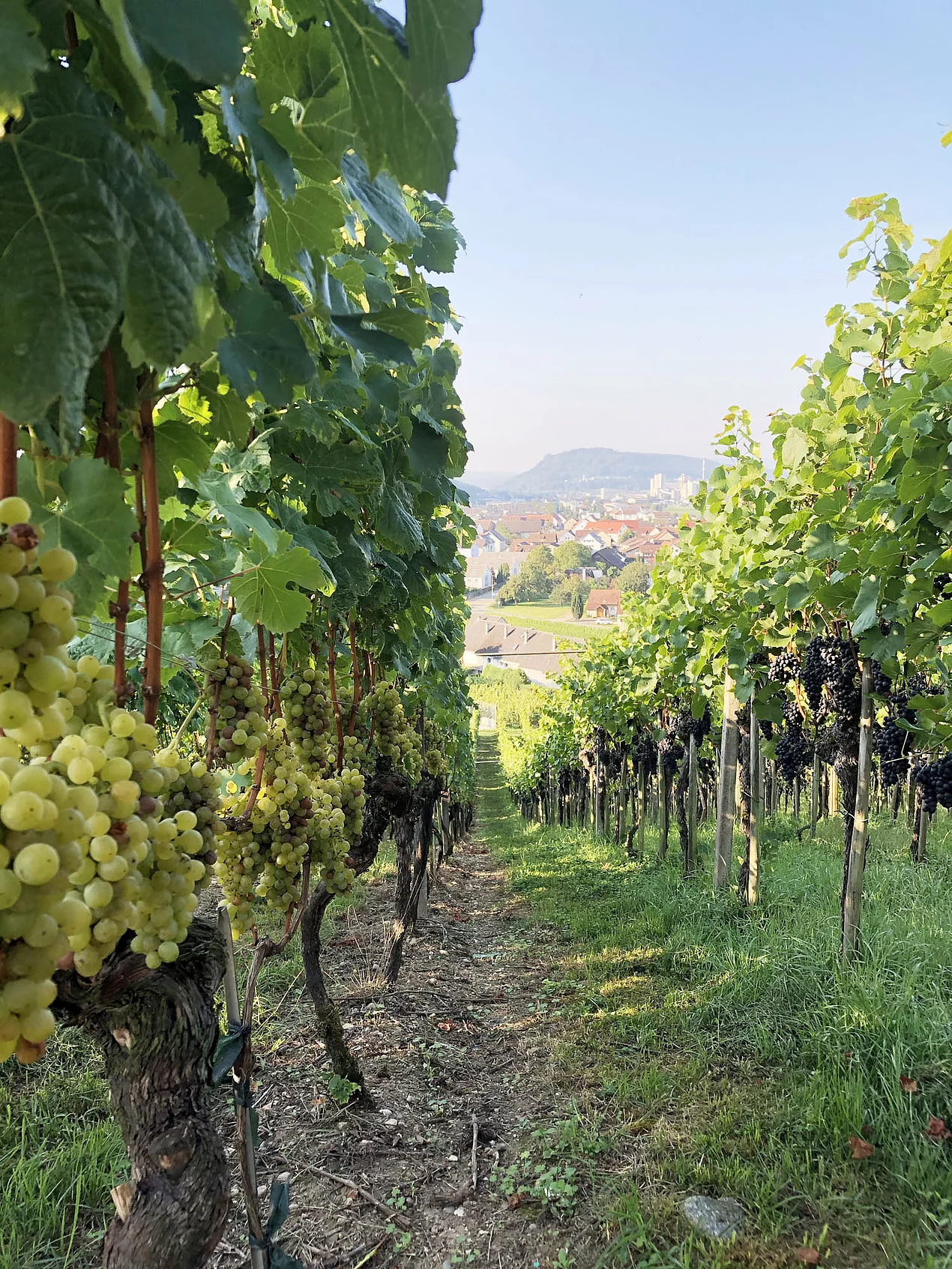
Our family owns its own vines, which are currently tended by the third and fourth generations – I myself belong to the fourth generation.
It’s purely a family hobby; we don’t make any profit from it. The grapes are delivered to the Würenlingen wine-growing co-operative. It’s a lovely way to create something together and then enjoy the result ourselves later on.
You originally worked as a nursery teacher and later switched to vocational training. How did that come about?
About ten years ago, I gave a lot of thought to my career future and asked myself what I really enjoyed doing. In doing so, I realised that I particularly enjoyed working with learners.
Through career counselling, it became clear to me that my passion lies in vocational training. That’s why I undertook further training specifically in this area. I then had the opportunity to develop the vocational training role at my employer at the time – alongside managing the business and supervising the apprentices. As I was only able to devote 50 per cent of my time to supporting apprentices in my previous role, the position at the Kuratle Group as vocational training manager was exactly what I was looking for.
What’s it like for you to work with so many different professions and trainees from different backgrounds?
It’s incredibly exciting and broadens your horizons enormously. You get to engage with different job profiles and are constantly learning new things. It’s precisely this diversity that makes the work so enriching for me. Working with different line managers, vocational trainers and work-based trainers also constantly brings new perspectives and a fresh dynamic.