10.08.2026


After months of intensive planning, meticulous preparation and a challenging installation phase, the moment had finally arrived: the first fully automatically cut parts had successfully come off the new Robo 26 production line. This was a significant milestone towards which numerous employees and project partners had worked together.
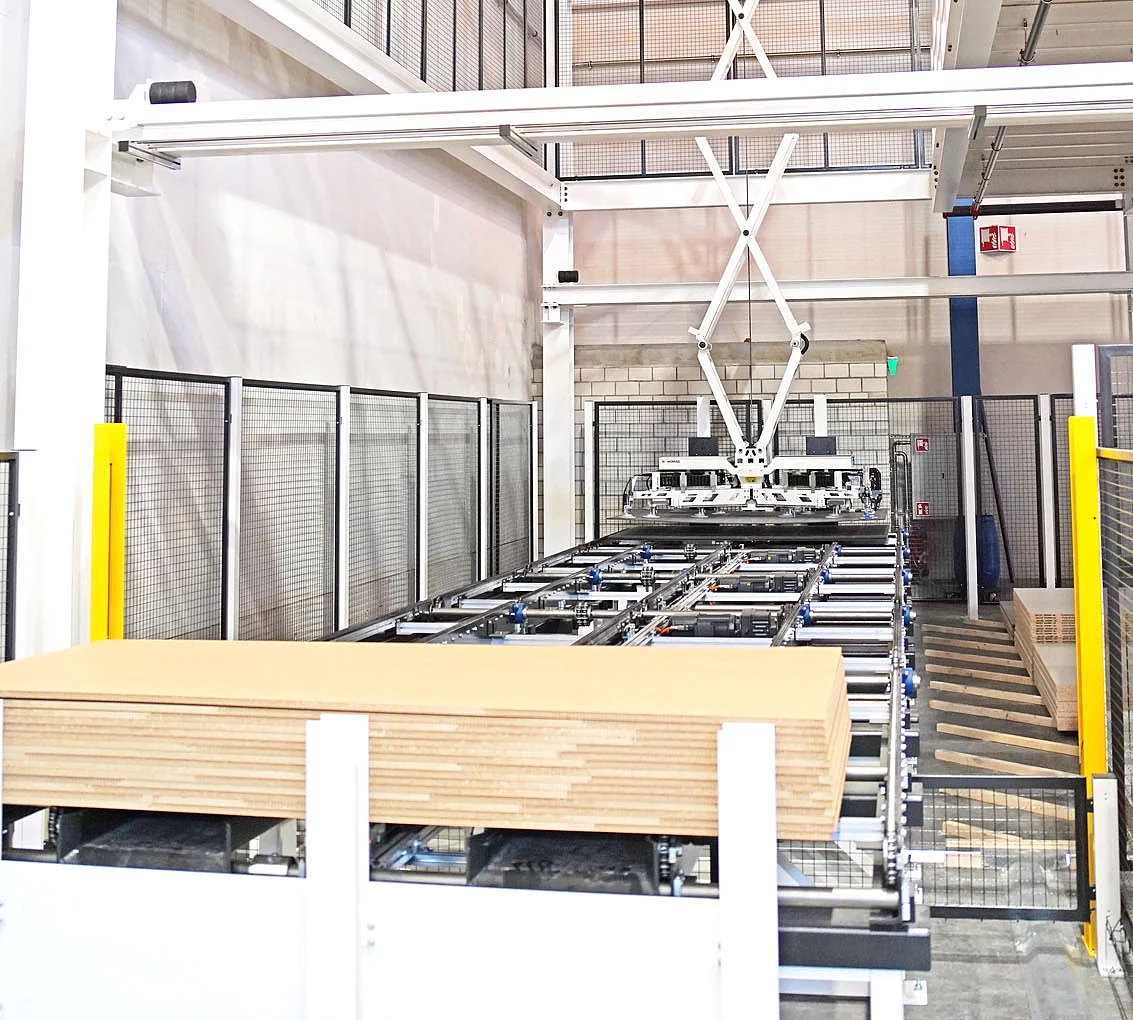
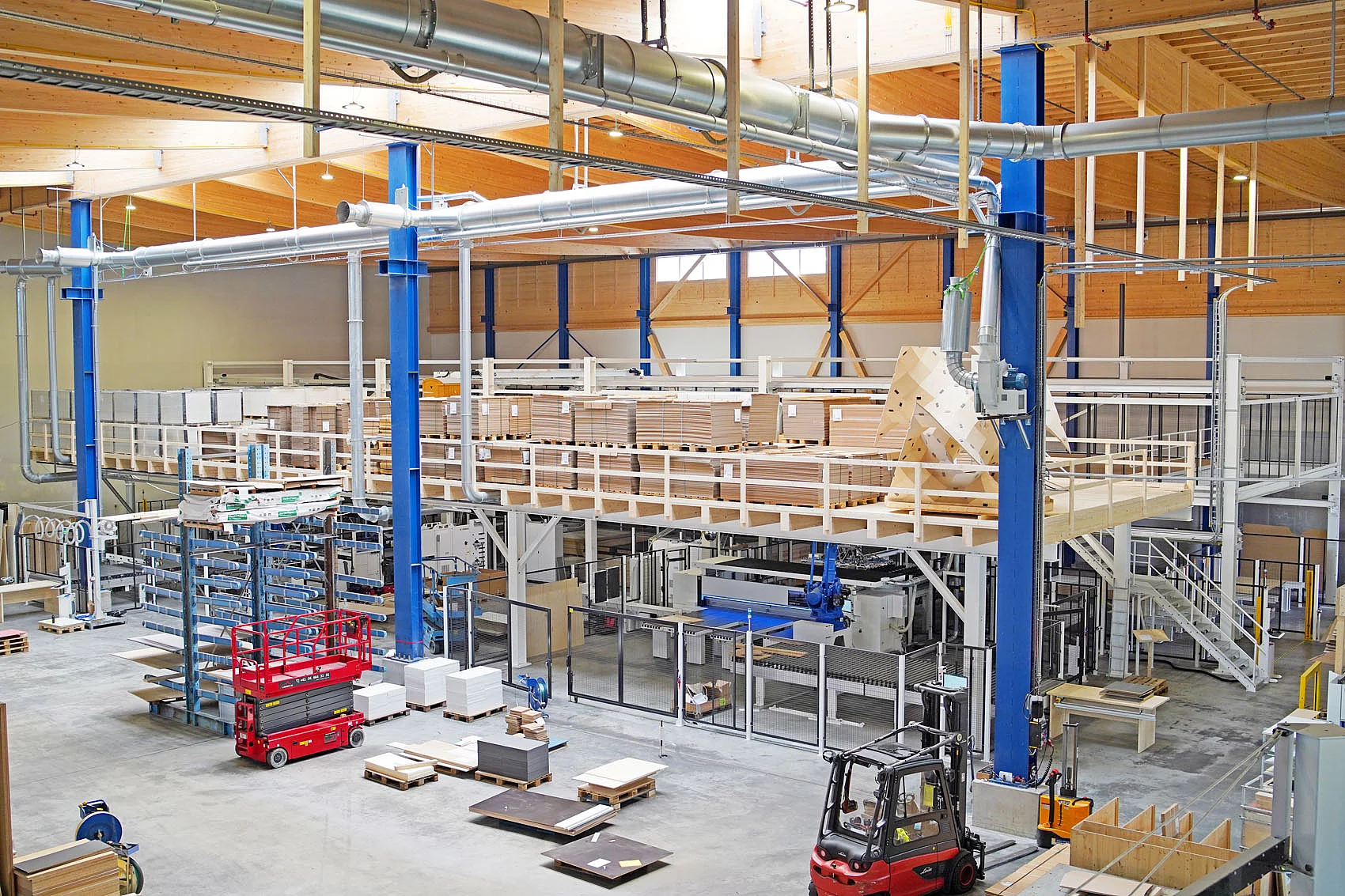
A great deal has happened on site since the last report. During an installation phase lasting around two months, the two-storey flat-storage system and the two new cutting lines were installed and gradually brought into operation. At the same time, numerous ancillary technical works were carried out, including the installation of compressed air, power supply, extraction systems and the sprinkler system, as well as the integration of the various software and control systems. The staff at the Machining and Cutting Centre (BUZ) also contributed significantly to this work. It is only the seamless interaction of all these components that forms the basis for the stable and efficient operation of the entire plant.
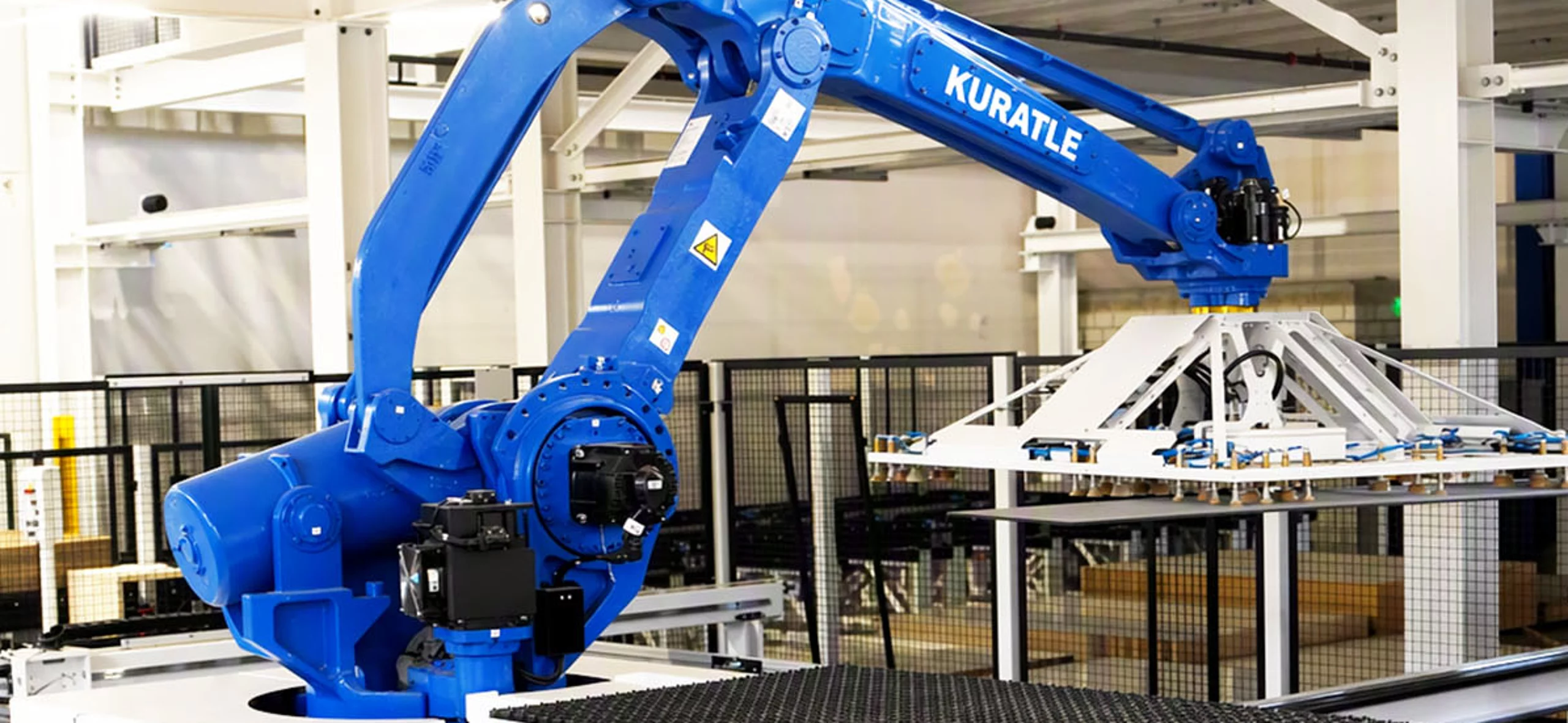
The initial test runs clearly demonstrate the potential of the new technology. Thanks to single-sheet cutting and state-of-the-art machinery and software, feed speeds up to three times faster than those of conventional cutting systems can be achieved. At the same time, the high speed and precision with which the materials are processed by the robot are impressive.
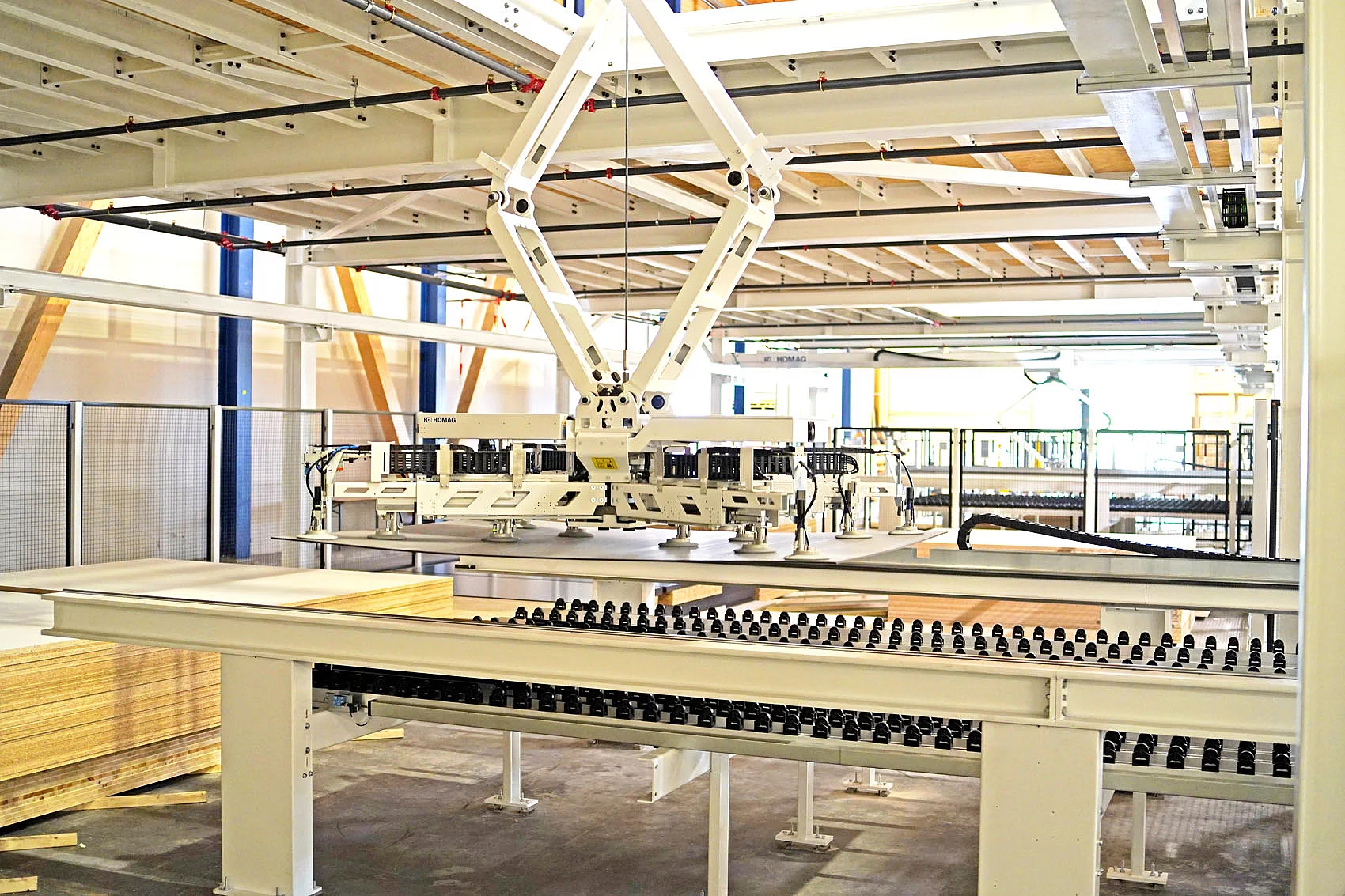
More space and more efficient material flows
A key feature of Robo 26 is its efficient use of the available floor space and ceiling height. To make the best possible use of the available space in the machining and cutting centre (BUZ), the automated flat-storage system was designed as a two-storey solution. In addition, the high-performance robotic saws enable high cutting capacities within a comparatively small footprint. Furthermore, a new mezzanine floor was constructed above the robotic area. Thanks to close collaboration with Kuratle Immobilien, this has created around 400 m² of additional usable floor space. In future, this will be used, amongst other things, as storage space for light and bulky goods such as cardboard boxes or packaging materials.
The high capacity of the flat-storage system simultaneously reduces the demands on intralogistics and shortens material flows within production. Furthermore, the offcuts and waste generated during cutting are automatically shredded on site and disposed of via the extraction system. This eliminates a large proportion of manual container handling, which reduces internal transport routes and further eases the burden on production logistics.
Next step – reorganisation of operational processes
Following the successful commissioning of the new systems, the current focus is on integrating and fine-tuning the numerous data interfaces. However, this does not mark the end of the project. Rather, the next crucial phase is now beginning: the further development and optimisation of operational processes at the Machining and Cutting Centre (BUZ).
Over the coming weeks and months, material flows, AVOR processes and logistical procedures will be gradually adapted to the new technical capabilities. Through testing and targeted optimisations, the aim is to make the best possible use of the new systems’ potential and to familiarise staff with the new ways of working. A key focus here is on work preparation and production planning. The software-based control of the systems, the optimal allocation of orders and communication between the departments involved will be redefined and coordinated.
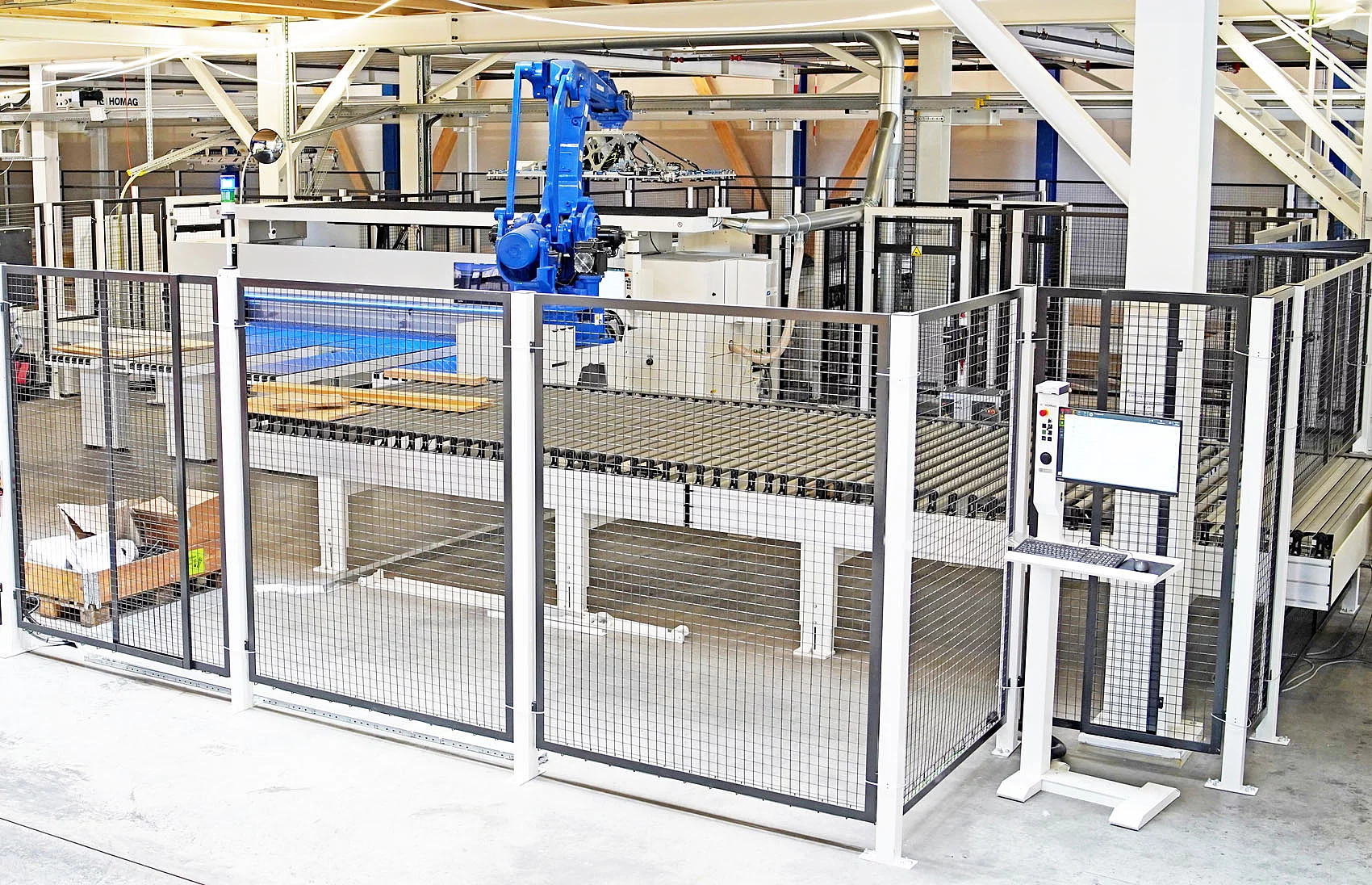
At the same time, the flow of materials within production is changing. The new facilities must be supplied with materials efficiently, and the machined parts must be handed over seamlessly to downstream processes and logistics. Only through the coordinated interaction of all departments can the full potential of the new infrastructure be realised.
The successful commissioning of the plant ahead of the originally scheduled date confirms the excellent work carried out by everyone involved in the project. Over the coming months, the focus will now be on the gradual integration into day-to-day operations, in order to make the best possible use of the new technological capabilities and to further develop the processes in a sustainable manner.